



In the fast-changing world of textiles, polyester fabric stands as one of the most versatile and widely used materials. Known for its strength, wrinkle resistance, and durability, it has become a preferred choice across industries—from uniforms and sportswear to winter clothing and fashion fabrics. Whether in Surat, Gujarat, or across Kerala, Assam, the Northeast, Tamil Nadu, Maharashtra, and West Bengal, this fabric continues to define modern textile trends and manufacturing excellence.
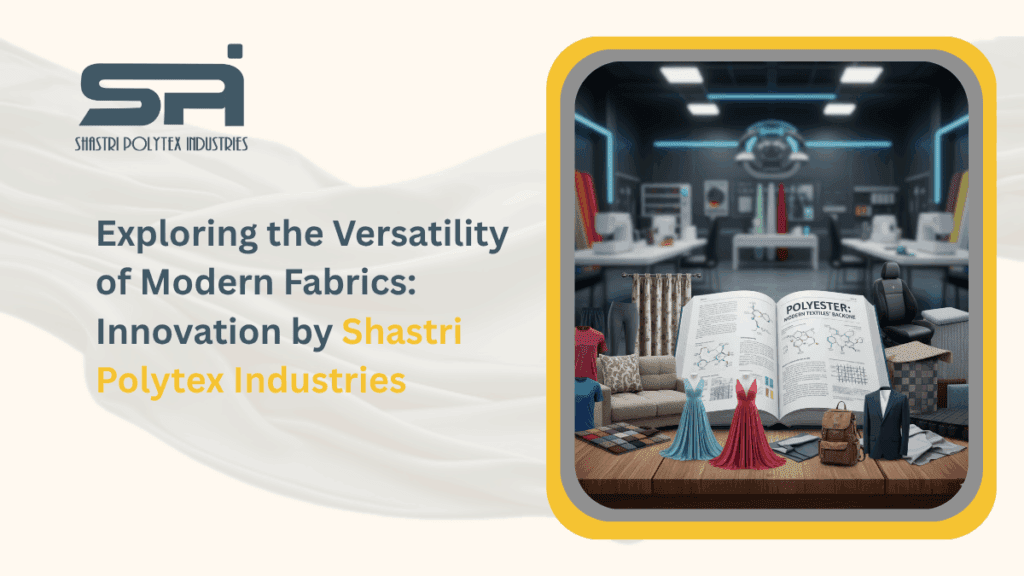
At Shastri Polytex Industries, innovation and quality craftsmanship drive the creation of these high-performance fabrics that serve diverse markets across India.
What Makes Polyester So Popular?
Polyester is a synthetic fiber derived from petroleum-based polymers, known for its smooth texture, high tensile strength, and ability to retain shape. When blended with natural fibers like cotton or viscose, it enhances both performance and comfort—making it suitable for a wide variety of applications. Its wrinkle resistance, color retention, and quick-drying nature have made it an industry standard for everyday and industrial use alike.
1. Uniform Fabrics
Uniforms require durability, consistency, and a professional look that lasts. Fabrics made with polyester blends meet all these requirements perfectly. Whether it’s school uniforms in Tamil Nadu, industrial workwear in Maharashtra, or hospital uniforms in Kerala, these fabrics maintain their structure and color even after repeated washing.
They are also lightweight and low-maintenance, which makes them a practical choice for industries that demand comfort and a neat appearance throughout the day.
2. Sports Fabrics
Performance and breathability are essential for athletic wear. Modern sports fabrics made using moisture-wicking technology keep the body dry and cool by drawing sweat away from the skin. These qualities are why such materials dominate sports hubs in Assam, Kerala, and the Northeast, where activewear is in high demand.
From football jerseys to running shorts, these fabrics combine flexibility, durability, and quick-drying comfort—helping athletes perform at their best in any environment.
3. Lycra Fabrics
Stretch and movement are key in today’s performance and fashion apparel. Lycra blends bring elasticity and comfort together, ensuring garments move naturally with the body while maintaining their shape. This category is widely used in gym wear, leggings, yoga pants, and even dance costumes.
Manufacturers in Surat and Gujarat are well known for producing premium Lycra blends that meet the rising demand for flexible yet durable fabrics in both sportswear and casual clothing.
4. Winter Fabrics
Warmth without weight—this is what defines a good winter fabric. Synthetic fleece and blended materials provide insulation while remaining lightweight and soft. Ideal for colder climates like Assam and the Northeast, these fabrics offer excellent heat retention and moisture resistance, keeping wearers comfortable even in damp or humid weather.
From jackets and sweatshirts to thermal layers, winter fabrics combine practicality with comfort for the colder months.
5. Dry-Fit Fabrics
Dry-fit technology has revolutionized the textile industry. These fabrics feature advanced knitting and finishing processes that promote airflow and wick moisture away quickly. The result is a fabric that stays dry, fresh, and comfortable throughout intense activity or long working hours.
Across Maharashtra and West Bengal, dry-fit materials are widely used in gym wear, training kits, and corporate uniforms that require both professionalism and performance. Their lightweight structure and soft texture make them ideal for daily use.
6. Quality Fabrics
Beyond functional textiles, there’s a growing demand for fabrics that combine beauty with endurance. Quality fabrics built on synthetic blends offer a refined finish, vibrant colors, and smooth texture without compromising on strength. They are widely used in fashion, interiors, and formal wear across India.
Cities like Surat, India’s textile capital, continue to innovate in this space—offering woven, knitted, and blended fabrics that cater to diverse industries, from design studios to export houses.
A Fiber That Shapes the Textile Industry
The continued dominance of polyester-based fabrics in India’s textile sector comes from their balance of affordability, versatility, and performance. They allow manufacturers to produce a wide range of materials that suit different climates, industries, and customer preferences.
In recent years, attention has also shifted to eco-friendly innovations, such as recycled polyester (rPET), made from plastic waste. Manufacturers across Gujarat and Tamil Nadu are leading the shift toward sustainable production, combining durability with environmental responsibility.
Conclusion
Polyester fabric remains the backbone of modern textiles—adapting seamlessly across categories like uniform, sports, Lycra, winter, dry-fit, and quality fabrics. Its versatility ensures comfort and reliability, while its evolving technology keeps pace with fashion and performance needs.
From Surat to West Bengal, and from Kerala to Assam, the influence of this fabric stretches across India’s diverse textile landscape. As the industry moves forward, it continues to prove that innovation, quality, and adaptability are woven into every thread.
At Shastri Polytex Industries, the commitment to crafting high-quality fabrics reflects this vision—delivering performance, comfort, and durability to clients across India’s most dynamic textile markets.
Recent Posts
- Airjet 2-Thread Fleece Fabric – Soft, Warm & Premium Quality Fabric

- Airjet 3 Thread Fleece Fabric: A Complete Guide to Manufacturers, Exporters and Suppliers in India

- Trusted PC Fleece Thread Fabric Manufacturer & Exporter in India

- Winter Fleece Fabric Manufacturer in Tiruppur: Your Complete Sourcing Guide

- Why Choose a Trusted Winter Fleece Fabric Manufacturer in Ludhiana?