



Choosing the right uniform fabric is one of the most important decisions when designing workwear, school uniforms, healthcare apparel, or industrial clothing. The fabric determines not only the appearance of the uniform but also its comfort, durability, maintenance, and overall performance.
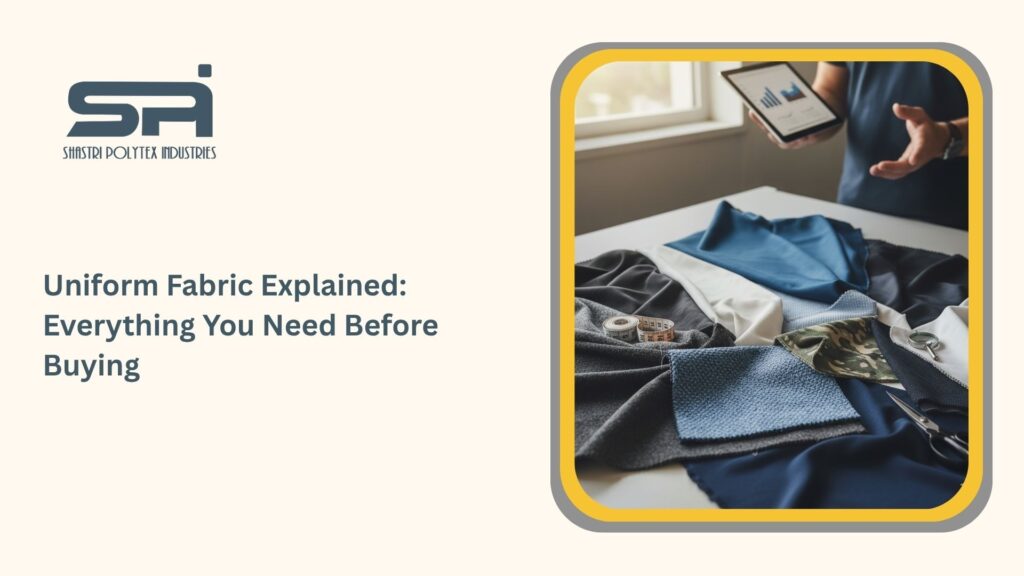
Whether you’re purchasing uniforms for employees, students, or your business, understanding different types of uniform fabrics can help you make an informed investment. This comprehensive guide explains everything you need to know before buying uniform fabric.
What Is Uniform Fabric?
Uniform fabric refers to textiles specifically designed or selected for making uniforms that are worn regularly in workplaces, schools, hospitals, hotels, factories, and other professional environments. These fabrics are engineered to withstand frequent washing, maintain their shape and color, and provide comfort during long hours of wear.
A good uniform fabric should offer the perfect balance of:
- Durability
- Comfort
- Breathability
- Easy maintenance
- Professional appearance
- Cost-effectiveness
Why Choosing the Right Uniform Fabric Matters
The quality of a uniform directly impacts employee comfort, brand image, and long-term costs. Selecting the wrong fabric may result in fading, shrinking, discomfort, or frequent replacement.
Benefits of choosing the right uniform fabric include:
- Enhanced employee comfort throughout the workday
- Improved professional appearance
- Better resistance to wear and tear
- Lower maintenance costs
- Longer garment lifespan
- Increased customer confidence in your brand
Types of Uniform Fabrics
Understanding different fabric options helps you choose the best material for your specific application.
1. Cotton Fabric
Cotton remains one of the most popular choices for uniforms due to its natural softness and breathability.
Advantages
- Highly breathable
- Soft against the skin
- Excellent moisture absorption
- Comfortable in warm weather
- Hypoallergenic
Best For
- School uniforms
- Office wear
- Hospitality uniforms
- Casual workwear
Limitations
- Wrinkles easily
- May shrink after washing
- Takes longer to dry
2. Polyester Fabric
Polyester is a synthetic fiber known for its strength and durability.
Advantages
- Wrinkle-resistant
- Fade-resistant
- Quick drying
- Easy to maintain
- Long-lasting
Best For
- Corporate uniforms
- Industrial workwear
- Security uniforms
- Hotel staff uniforms
Limitations
- Less breathable than cotton
- Can retain heat in hot climates
3. Cotton-Polyester Blend
This is one of the most commonly used uniform fabrics because it combines the strengths of both fibers.
Advantages
- Comfortable
- Durable
- Easy to wash
- Reduced wrinkling
- Better shape retention
Best For
- Corporate uniforms
- School uniforms
- Healthcare apparel
- Retail staff uniforms
4. Twill Fabric
Twill fabrics feature a distinctive diagonal weave that offers exceptional durability.
Advantages
- Strong construction
- Excellent wrinkle resistance
- Professional appearance
- Long lifespan
Best For
- Industrial uniforms
- Mechanics
- Security personnel
- Manufacturing workers
5. Oxford Fabric
Oxford fabric provides a refined appearance while remaining comfortable.
Advantages
- Elegant texture
- Durable
- Breathable
- Easy maintenance
Best For
- Corporate shirts
- Office uniforms
- Hospitality uniforms
6. Stretch Fabric
Stretch fabrics include elastane or spandex for added flexibility.
Advantages
- Excellent mobility
- Comfortable fit
- Improved flexibility
- Modern appearance
Best For
- Healthcare professionals
- Active work environments
- Hospitality staff
- Retail employees
Factors to Consider Before Buying Uniform Fabric
1. Durability
Uniforms are worn daily and washed frequently. Choose fabrics that resist tearing, fading, and shrinking.
2. Comfort
Employees often wear uniforms for 8–12 hours a day. Breathable and soft fabrics improve comfort and productivity.
3. Climate
Consider your working environment.
- Hot regions require breathable fabrics like cotton.
- Cold climates benefit from heavier fabric blends.
- Outdoor jobs need weather-resistant materials.
4. Maintenance
Easy-care fabrics reduce operational costs.
Look for fabrics that are:
- Machine washable
- Wrinkle resistant
- Quick drying
- Colorfast
5. Color Retention
High-quality uniform fabrics retain their color even after hundreds of wash cycles.
This keeps uniforms looking fresh and professional.
6. Safety Requirements
Certain industries require specialized fabrics.
Examples include:
- Flame-resistant fabrics
- Anti-static fabrics
- High-visibility fabrics
- Chemical-resistant fabrics
Always ensure compliance with industry safety standards.
Choosing Uniform Fabric for Different Industries
Corporate Offices
Recommended Fabrics:
- Cotton-Polyester Blend
- Oxford Fabric
- Polyester
Focus on comfort and professional appearance.
Healthcare
Recommended Fabrics:
- Stretch Blend
- Cotton Blend
- Polyester Blend
Healthcare uniforms should prioritize mobility, hygiene, and easy maintenance.
Hospitality
Recommended Fabrics:
- Cotton Blend
- Polyester
- Oxford Fabric
The goal is to maintain a polished look while ensuring comfort during long shifts.
Schools
Recommended Fabrics:
- Cotton Blend
- Polyester Blend
- Twill
School uniforms require durability and easy care to withstand daily use.
Industrial Workwear
Recommended Fabrics:
- Twill
- Heavy Polyester
- Flame-Resistant Fabric
Safety and durability are the top priorities in demanding work environments.
Common GSM for Uniform Fabrics
GSM (Grams per Square Meter) measures fabric weight and can influence comfort and durability.
| Fabric Weight | GSM Range | Suitable For |
| Lightweight | 120–160 GSM | Office shirts, summer uniforms |
| Medium Weight | 180–240 GSM | School and corporate uniforms |
| Heavy Weight | 250–320 GSM | Industrial uniforms and jackets |
Tips for Buying the Best Uniform Fabric
Before placing your order:
- Request fabric samples.
- Check the fabric composition.
- Confirm colorfastness.
- Review shrinkage specifications.
- Compare GSM based on intended use.
- Test breathability and comfort.
- Verify stitching compatibility.
- Buy from a trusted supplier.
Common Mistakes to Avoid
Avoid these frequent mistakes when selecting uniform fabric:
- Choosing fabric based only on price
- Ignoring the work environment
- Overlooking fabric maintenance requirements
- Selecting the wrong GSM
- Not testing sample fabrics
- Forgetting safety compliance requirements
- Choosing style over durability
Benefits of High-Quality Uniform Fabric
Investing in premium fabric offers long-term value.
Key benefits include:
- Longer garment lifespan
- Better employee comfort
- Reduced replacement costs
- Enhanced professional appearance
- Improved brand image
- Easier maintenance
- Greater customer confidence
Frequently Asked Questions (FAQs)
Which fabric is best for uniforms?
A cotton-polyester blend is one of the best all-around options because it combines comfort, durability, wrinkle resistance, and easy maintenance.
Which fabric lasts the longest?
Polyester, twill, and high-quality blended fabrics generally offer the best durability for everyday uniforms.
What GSM is ideal for uniform fabric?
For most applications, a medium-weight fabric between 180 and 240 GSM provides a good balance of comfort and durability. Heavy-duty workwear may require 250 GSM or higher.
Is cotton or polyester better for uniforms?
Cotton offers excellent breathability and comfort, while polyester excels in durability, wrinkle resistance, and quick drying. A blend of both often delivers the best overall performance.
How do I choose the right uniform fabric?
Consider the intended use, work environment, climate, maintenance needs, required safety features, and budget. Always request fabric samples before placing a large order.
Final Thoughts
Selecting the right uniform fabric is about more than choosing a material—it’s about ensuring comfort, durability, and a professional appearance that reflects your organization’s standards. By understanding fabric types, GSM, maintenance requirements, and industry-specific needs, you can make a well-informed decision that delivers long-term value.
Whether you’re sourcing uniforms for a school, corporate office, healthcare facility, hospitality business, or industrial workplace, investing in high-quality fabric helps improve wearer satisfaction, reduce replacement costs, and maintain a polished brand image. Taking the time to compare options and test samples will ensure your uniforms perform well for years to come.
Recent Posts
- Sports Fabric Manufacturer in MP for Quality Activewear

- How to Choose the Best Sports Fabric Manufacturer in Bihar

- Sports Fabric Manufacturer in Chhattisgarh – Premium Quality Fabrics

- Airjet 2-Thread Fleece Fabric – Soft, Warm & Premium Quality Fabric

- Airjet 3 Thread Fleece Fabric: A Complete Guide to Manufacturers, Exporters and Suppliers in India


