



Uniforms represent professionalism, create a sense of unity, and help employees perform their daily tasks comfortably. Whether used in schools, healthcare, hospitality, manufacturing, or corporate workplaces, the quality of the uniform depends largely on the fabric. Choosing durable uniform fabric ensures long-lasting wear, better comfort, and lower replacement costs.
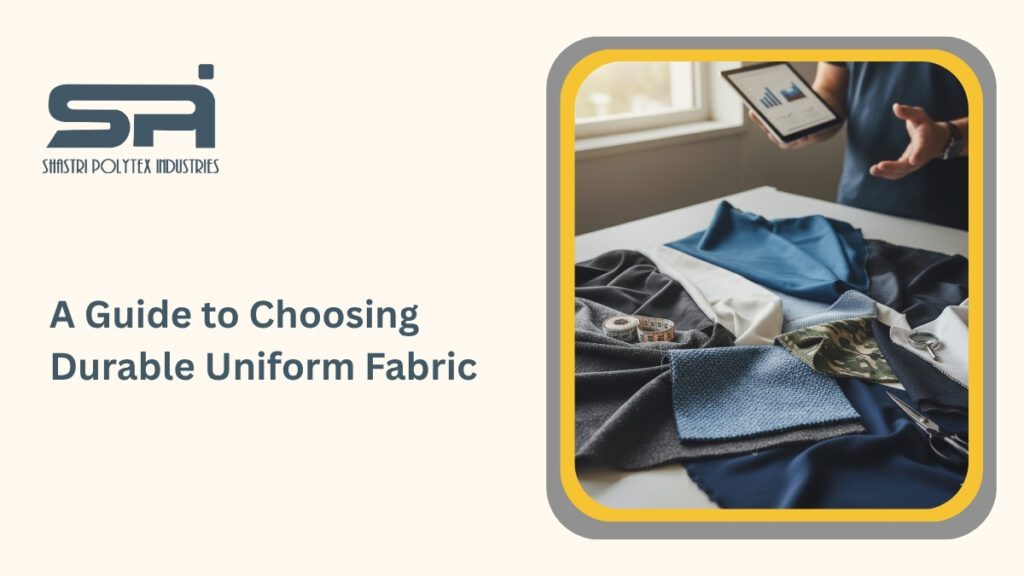
This guide explains the key factors to consider when selecting durable uniform fabric and how to choose the right option for different industries.
Why Durable Uniform Fabric Matters
Uniforms are worn for long hours and are often exposed to frequent washing, movement, and demanding work environments. A durable fabric helps maintain its appearance and performance over time.
Benefits of durable uniform fabric include:
- Longer lifespan, reducing replacement costs
- Better resistance to wear and tear
- Consistent color retention after repeated washing
- Improved comfort during daily use
- Professional appearance that lasts
Investing in quality fabric helps organizations save money while ensuring employees always look presentable.
Key Features of Durable Uniform Fabric
1. Strength and Tear Resistance
A strong fabric can withstand regular use without ripping or fraying. Industries such as manufacturing, construction, and logistics require fabrics that perform well under physically demanding conditions.
2. Comfort
Durability should never come at the expense of comfort. Employees who wear uniforms for extended periods benefit from fabrics that feel soft, allow movement, and remain comfortable throughout the day.
3. Breathability
Breathable fabric promotes airflow, helping regulate body temperature. This is especially important for professionals working in warm environments or physically active roles.
4. Wrinkle Resistance
Wrinkle-resistant fabric keeps uniforms looking neat with minimal maintenance. This feature is valuable in hospitality, retail, and corporate settings where appearance matters.
5. Color Retention
High-quality fabric retains its original color even after frequent washing, helping uniforms maintain a fresh and professional look.
6. Easy Maintenance
Uniforms should be easy to wash, dry quickly, and require minimal ironing. Easy-care fabric saves time and reduces maintenance costs for both organizations and individuals.
Popular Uniform Fabric Options
Poly Cotton
Poly cotton combines the softness of cotton with the strength of polyester. It offers excellent durability, wrinkle resistance, and easy maintenance, making it one of the most popular choices for school, corporate, and industrial uniforms.
Cotton
Cotton is valued for its softness and breathability. It provides excellent comfort, especially in warm climates, but may require more care than blended fabrics.
Polyester
Polyester is known for its durability, resistance to shrinking, and ability to retain color. It is commonly used for workwear that requires frequent washing.
Stretch Blends
Fabrics with a small amount of stretch provide greater flexibility and comfort. They are suitable for healthcare professionals, hospitality staff, and jobs requiring constant movement.
Choosing Fabric Based on Industry
School Uniforms
School uniforms should be comfortable, durable, and easy to maintain. Poly cotton is often preferred because it withstands daily wear and repeated washing.
Corporate Uniforms
Corporate uniforms should maintain a polished appearance throughout the day. Wrinkle-resistant fabrics with a smooth finish are ideal for office environments.
Healthcare Uniforms
Healthcare professionals require fabrics that are breathable, durable, and comfortable during long shifts. Easy-care properties are also important due to frequent laundering.
Hospitality
Hotels and restaurants require uniforms that look clean, elegant, and professional. Fabrics that resist wrinkles and stains help staff maintain a well-groomed appearance.
Industrial Workwear
Industrial uniforms should prioritize strength, durability, and resistance to demanding working conditions while allowing comfortable movement.
Tips for Selecting Durable Uniform Fabric
- Consider the daily work environment before making a selection.
- Choose fabric that balances durability and comfort.
- Check the fabric weight to ensure it suits the intended use.
- Look for fade-resistant and wrinkle-resistant properties.
- Select fabric that is easy to wash and maintain.
- Purchase from trusted suppliers known for consistent quality.
Caring for Uniform Fabric
Proper care extends the life of uniforms and preserves their appearance.
- Wash according to the recommended temperature.
- Avoid harsh detergents that may damage fibers.
- Dry garments appropriately to prevent shrinkage.
- Iron only when necessary using the recommended heat setting.
- Store uniforms in a clean, dry place to maintain their condition.
Final Thoughts
Choosing durable uniform fabric is an investment in quality, comfort, and long-term value. The right fabric enhances employee comfort, supports professional presentation, and withstands the demands of everyday use. By considering factors such as strength, breathability, comfort, easy maintenance, and color retention, you can confidently select fabric that delivers reliable performance for years to come.
Whether you are sourcing uniforms for schools, healthcare facilities, hospitality businesses, corporate offices, or industrial workplaces, selecting durable uniform fabric ensures a practical solution that meets both functional and professional needs.
Tags: Uniform Fabric, Uniform fabric in Maharashtra, Uniform fabric in Surat, Uniform Fabric Manufacturer, Uniform Fabric Manufacturer in India, Uniform Fabric Manufacturer in Mumbai, Uniform Fabric Manufacturer in Surat, Uniform Fabric Manufacturers, Uniform Fabric Manufacturers in Ahembadabad, Uniform Fabric Manufacturers in Alwar, Uniform Fabric Manufacturers in Bhilwara, Uniform Fabric Manufacturers in Cuttack, Uniform Fabrics Manufacturers in Rajasthan
Recent Posts
- Sports Fabric Manufacturer in MP for Quality Activewear

- How to Choose the Best Sports Fabric Manufacturer in Bihar

- Sports Fabric Manufacturer in Chhattisgarh – Premium Quality Fabrics

- Airjet 2-Thread Fleece Fabric – Soft, Warm & Premium Quality Fabric

- Airjet 3 Thread Fleece Fabric: A Complete Guide to Manufacturers, Exporters and Suppliers in India


