


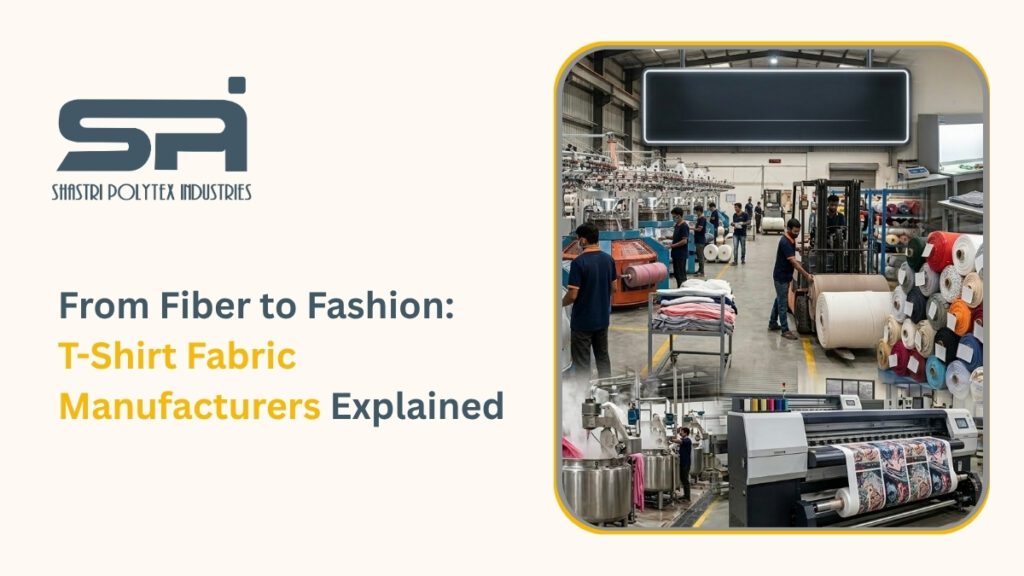
T-shirts are among the most universally worn garments, valued for their comfort, versatility, and style. But behind every soft, durable, and stylish T-shirt lies a complex manufacturing journey that begins long before the garment reaches store shelves. Understanding T-shirt fabric manufacturers means exploring the transformation from raw fibers to finished textiles.
1. The Starting Point: Fiber Selection
The process begins with the choice of raw materials. The most common fibers used in T-shirt production include:
- Cotton – Known for its softness, breathability, and comfort
- Polyester – Durable, wrinkle-resistant, and moisture-wicking
- Blends – Combinations like cotton-polyester or cotton-spandex for added flexibility and performance
Manufacturers carefully select fibers based on the intended use of the T-shirt—whether for casual wear, sports, or premium fashion.
2. Spinning: Turning Fiber into Yarn
Once fibers are sourced, they are cleaned and spun into yarn. This stage determines the strength, texture, and quality of the final fabric. Techniques such as ring spinning or open-end spinning affect how soft or durable the yarn will be.
3. Knitting: Creating the Fabric Structure
Unlike woven fabrics, most T-shirt fabrics are knitted, giving them stretch and comfort. Common knitting types include:
- Jersey knit – Smooth, lightweight, and widely used
- Rib knit – Stretchy and often used for collars
- Interlock knit – Thicker and more durable
The knitting process plays a key role in how the fabric feels and performs.
4. Dyeing and Finishing
After knitting, fabrics undergo dyeing to achieve desired colors and finishes. Advanced techniques ensure color consistency and durability. Finishing processes may include:
- Softening treatments
- Shrink resistance
- Moisture-wicking or anti-bacterial coatings
These enhancements add value and functionality to the fabric.
5. Quality Control and Sustainability
Modern T-shirt fabric manufacturers emphasize strict quality checks at every stage. Increasingly, sustainability is also a priority, with many manufacturers adopting:
- Organic cotton sourcing
- Water-saving dyeing methods
- Recycling and waste reduction practices
This shift reflects growing consumer demand for eco-friendly fashion.
6. From Fabric to Fashion
Once the fabric is ready, it is supplied to garment manufacturers who cut, sew, and assemble T-shirts. The quality of the fabric directly impacts the final product’s comfort, durability, and appeal.
Conclusion
T-shirt fabric manufacturing is a blend of science, craftsmanship, and innovation. From selecting the right fibers to applying advanced finishing techniques, manufacturers play a crucial role in shaping the garments we wear every day. By understanding this journey, businesses and consumers alike can make more informed choices about quality, performance, and sustainability in fashion.
Frequently Asked Questions (FAQs)
1. What fabrics are commonly used for T-shirts?
Cotton, polyester, and blended fabrics are most commonly used due to their comfort, durability, and versatility.
2. Which fabric is best for high-quality T-shirts?
Combed or ring-spun cotton is considered the best for high-quality T-shirts because of its softness and durability.
3. Why are knitted fabrics used for T-shirts?
Knitted fabrics provide stretch, breathability, and comfort, making them ideal for everyday wear.
4. What does GSM mean in T-shirt fabric?
GSM (grams per square meter) indicates fabric weight; higher GSM means thicker and more durable fabric.
5. Are T-shirt fabrics environmentally friendly?
Many manufacturers now use organic cotton and sustainable processes to reduce environmental impact.
6. Do T-shirt fabrics shrink after washing?
Some fabrics, especially cotton, may shrink, but pre-shrunk or treated fabrics help minimize this issue.
Tags: T-Shirt 2026, T-Shirt Fabric Manufacturer, T-Shirt Fabric Manufacturers, T-Shirt Fabric Manufacturers in, T-Shirt Fabric Manufacturers in Bangalore, T-Shirt Fabric Manufacturers in India, T-Shirt Fabric Manufacturers in Kolkata, T-Shirt Fabric Manufacturers in Punjab, T-Shirt Fabric Manufacturers in Surat, T-Shirt Fabric Manufacturers in Tirupur, Top T-Shirt Fabric Manufacturers in Delhi, Top T-Shirt Fabric Manufacturers in India
Recent Posts
- Airjet 2-Thread Fleece Fabric – Soft, Warm & Premium Quality Fabric

- Airjet 3 Thread Fleece Fabric: A Complete Guide to Manufacturers, Exporters and Suppliers in India

- Trusted PC Fleece Thread Fabric Manufacturer & Exporter in India

- Winter Fleece Fabric Manufacturer in Tiruppur: Your Complete Sourcing Guide

- Why Choose a Trusted Winter Fleece Fabric Manufacturer in Ludhiana?