



When it comes to choosing fabric for everyday clothing, appearance is only one part of the equation. The right fabric needs to offer a balance of quality, consistency, comfort, and performance while maintaining its look through regular use. This is where Super Matty fabric stands out as a practical option for modern apparel.
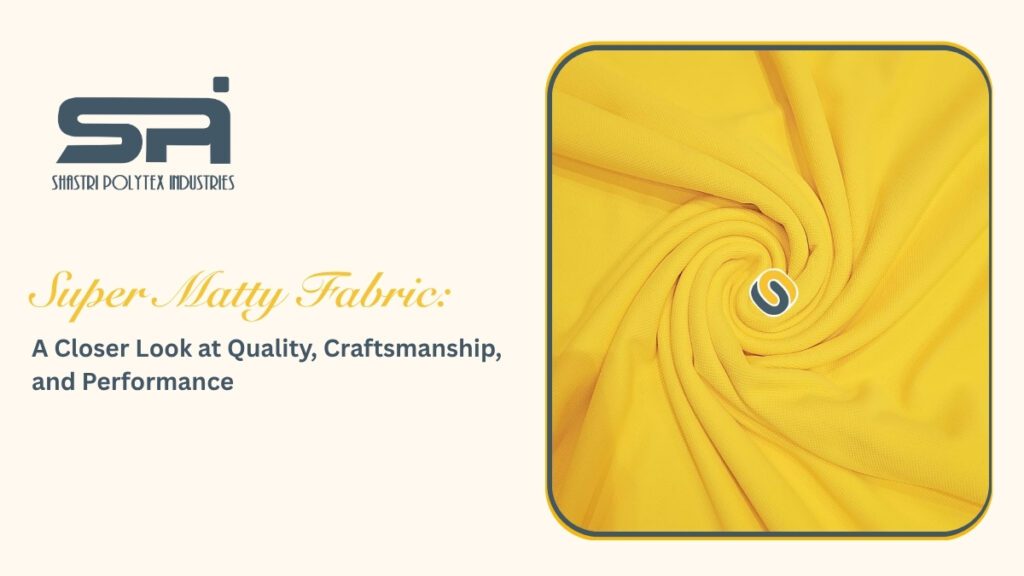
Designed with attention to fabric specifications and finishing, Super Matty combines a refined surface with a balanced fabric weight. With a 48 Dia construction and a GSM range of approximately 220–230, it offers a fabric profile suited to garments where appearance, feel, and everyday performance all matter.
What Is Super Matty Fabric?
Super Matty is a knitted fabric developed for applications that require a dependable combination of surface quality and wearability. Its carefully selected specifications give the fabric a balanced body, making it suitable for clothing that needs to maintain its shape and visual appeal during regular use.
Unlike choosing fabric based only on appearance, selecting Super Matty involves looking at factors such as yarn characteristics, fabric weight, knitting quality, and finishing. These elements work together to determine how the final fabric feels and performs.
Understanding 48 Dia in Super Matty
One of the important specifications of Super Matty is its 48 Dia construction. Dia, or diameter, is commonly used in the knitting industry to describe the diameter of the knitting machine cylinder.
The machine specification plays an important role in the knitting process and contributes to the characteristics of the finished fabric. Maintaining the right knitting parameters helps manufacturers achieve consistency across production and create a fabric with a uniform appearance.
For apparel manufacturers, consistency is especially important. A well-controlled production process can help ensure that fabric rolls maintain similar characteristics, making cutting, stitching, and garment production more efficient.
Why 220–230 GSM Matters
GSM, or grams per square metre, indicates the weight of a fabric. Super Matty in the 220–230 GSM range offers a balanced weight that can work well for a variety of everyday garments.
Fabric weight influences several aspects of the finished clothing, including:
- Overall garment feel
- Fabric body and drape
- Appearance after stitching
- Suitability for different applications
- Perceived quality of the finished product
A fabric that is too light may not provide the desired body for certain garments, while a very heavy fabric may feel excessive for everyday wear. The 220–230 GSM range provides a middle ground for applications where a substantial yet wearable fabric is preferred.
A Soft-to-Touch Surface
One of the noticeable qualities of Super Matty is its soft-to-touch feel. Fabric softness can make an important difference in clothing that is worn for extended periods or used frequently.
The feel of a fabric is influenced by several factors, including yarn selection, knitting parameters, fabric density, and finishing. When these elements are carefully managed, the result can be a smoother and more pleasant surface that contributes to overall garment comfort.
This makes Super Matty suitable for clothing where the fabric needs to feel refined while still offering sufficient body for everyday use.
Reduced Bubbling and Pilling
Frequent washing and regular friction can affect the appearance of clothing over time. Two common concerns are bubbling and pilling, which can make a garment look worn even when the fabric is otherwise functional.
The quality of the yarn, knitting process, and finishing can influence how a fabric behaves during repeated use. Super Matty is designed to provide reduced bubbling and pilling, helping garments maintain a cleaner and more presentable appearance.
For clothing manufacturers, this characteristic can be particularly valuable when producing garments intended for regular wear, where maintaining appearance over time is an important consideration.
Quality Starts with the Manufacturing Process
The performance of any fabric depends on more than its specifications. Consistent manufacturing and careful quality control are equally important.
For Super Matty, attention to factors such as yarn quality, knitting consistency, fabric weight, finishing, and inspection can help create a more reliable finished material.
This focus on craftsmanship can make a difference during garment production. Consistent fabric can support smoother cutting and stitching processes while helping manufacturers achieve greater uniformity across finished garments.
Where Can Super Matty Fabric Be Used?
The balanced characteristics of Super Matty make it suitable for a range of modern clothing applications. Depending on the garment design and production requirements, it can be considered for:
- T-shirts and casual tops
- Polo-style garments
- Everyday uniforms
- Corporate and workwear
- Sports and lifestyle apparel
- Promotional clothing
- Other garments requiring a structured yet comfortable fabric
The final suitability will depend on the specific garment design, intended use, colour, finishing requirements, and production specifications.
Performance for Everyday Clothing
Everyday clothing needs to perform under practical conditions. It may be worn repeatedly, washed regularly, and exposed to friction throughout its use.
This is why fabric selection should consider more than initial appearance. A good everyday fabric should provide a suitable balance between feel, structure, appearance, and durability.
With its 220–230 GSM weight, soft surface, and reduced tendency toward bubbling and pilling, Super Matty offers a practical combination for manufacturers looking to develop reliable everyday garments.
A More Considered Approach to Fabric Selection
Choosing the right fabric is ultimately about matching the material to the purpose of the garment. A fabric that works well for one application may not necessarily be the best choice for another.
Super Matty offers manufacturers an option for applications where a balanced fabric weight, refined feel, consistent appearance, and everyday performance are important. Its 48 Dia specification and 220–230 GSM range provide a useful starting point for manufacturers evaluating fabric options for modern apparel.
Rather than focusing on a single feature, Super Matty brings several characteristics together to create a fabric designed with practical clothing requirements in mind.
Final Thoughts
Super Matty fabric demonstrates how fabric quality is shaped by the details behind the finished material. From its 48 Dia specification and 220–230 GSM weight to its soft-to-touch surface and reduced bubbling and pilling, each characteristic contributes to its overall performance.
For apparel manufacturers and clothing brands, understanding these details can make fabric selection more informed. When quality, craftsmanship, consistency, and everyday performance all matter, Super Matty can be a valuable fabric option for creating modern clothing designed for regular use.
Tags: Best Super Matty Fabric Exporter in India, Super Matty Fabric, Super Matty Fabric Exporter, Super Matty Fabric Exporter in India, Super Matty Fabric Exporter in Mumbai, Super Matty Fabric Exporter in Punjab, Super Matty Fabric Manufacturer, Super Matty Fabric Manufacturer in Ahmedabad, Super Matty Fabric Manufacturer in Alwar, Super Matty Fabric Manufacturer in Cuttack, Super Matty Fabric Manufacturer in Delhi NCR, Super Matty Fabric Manufacturer in Gujrat, Super Matty Fabric Manufacturer in Guwahati Assam, Super Matty Fabric Manufacturer in India, Super Matty Fabric Manufacturer in Indore, Super Matty Fabric Manufacturer in Mumbai, Super Matty Fabrics
Recent Posts
- Sports Fabric Manufacturer in Chhattisgarh – Premium Quality Fabrics

- Airjet 2-Thread Fleece Fabric – Soft, Warm & Premium Quality Fabric

- Airjet 3 Thread Fleece Fabric: A Complete Guide to Manufacturers, Exporters and Suppliers in India

- Trusted PC Fleece Thread Fabric Manufacturer & Exporter in India

- Winter Fleece Fabric Manufacturer in Tiruppur: Your Complete Sourcing Guide


